
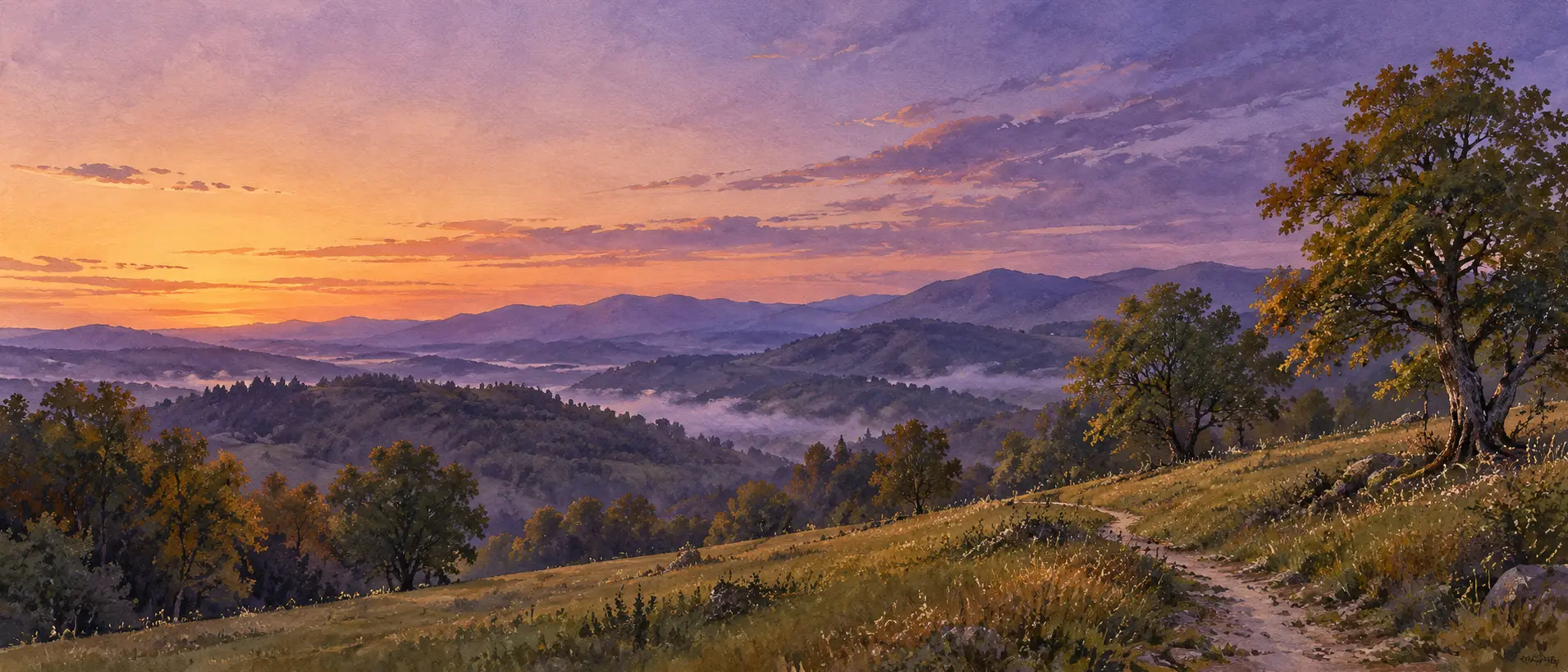
Voices
The Living Sound: The Language and Spirit of Sklithro-Zelenich
Language is the vessel of our history and the heartbeat of our identity. In Sklithro-Zelenich, the spoken word is a "living sound"—a unique Aegean Macedonian dialect that has survived through centuries of shifting empires and cultural transitions. This section explores the linguistic heritage that defines who we are, from the specific vocabulary of our ancestors to the poetic verses that capture the nostalgia of village life.
Our exploration of the Zelenichki language is divided into three intimate perspectives:
-
Zelenichki Lafovi (Village Words): A curated glossary of the specific terms and local idioms used by the people of our village. These "lafovi" are more than just words; they are the building blocks of our daily lives, reflecting our humor, our labor, and our deep connection to the Macedonian soil.
-
The Living Sound of Aegean Macedonian Speech: Why do we say “Gra” instead of “Grav”? Here, we dive into the phonetic and linguistic nuances that make our speech distinct. We examine the "Living Sound" of the Aegean Macedonian dialect, exploring how the environment and history shaped the way we communicate and why these subtle differences in speech are vital markers of our regional continuity.
-
Nostalgic Poems from a Macedonian Village: Where prose ends, poetry begins. This collection of verses captures the emotional landscape of Sklithro-Zelenich. These poems serve as a bridge to the past, expressing the longing, beauty, and resilience of a community that carries its heritage in every line of verse and every whispered song.
We invite you to listen closely to these echoes of the past, for in our language lies the true soul of the village.
Three perspectives
Read the language
-
Zelenichki Lafovi - “Macedonian Language and Identity: Testimony, Evidence, and Survival”
The dialectal vocabulary of Western Macedonia—especially the villages of Florina (Lerin), Prespa, Kastoria (Kostur), and Zelenich…
-
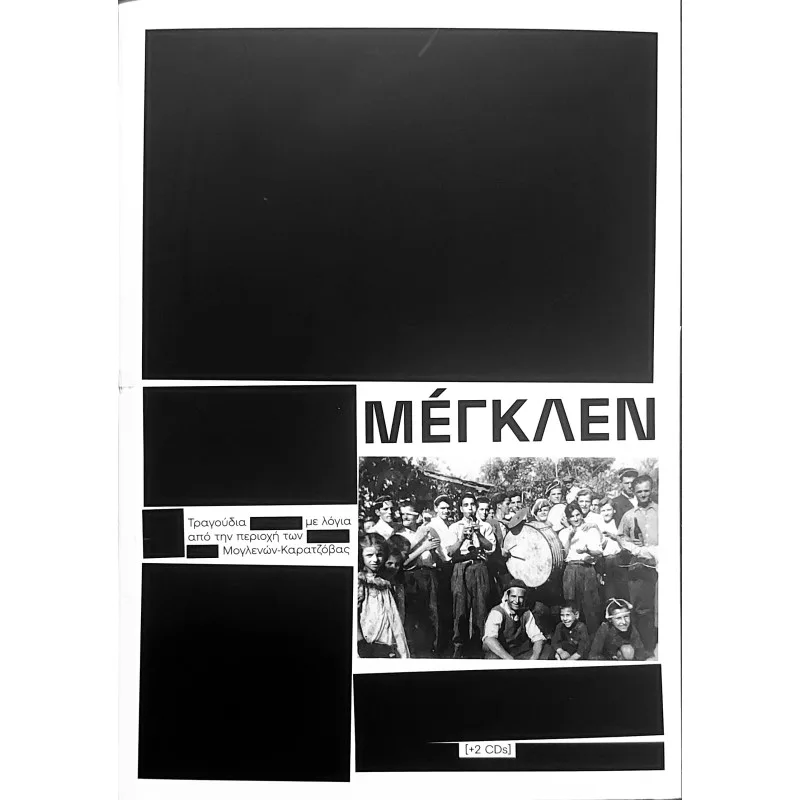 The Living Sound of Aegean Macedonian Speech - Why People Say “Gra” Instead of “Grav”
In the mountain villages of Aegean Macedonia — from Florina (Lerin) and Kastoria (Kostur) to Prespa and the surrounding valleys —…
-
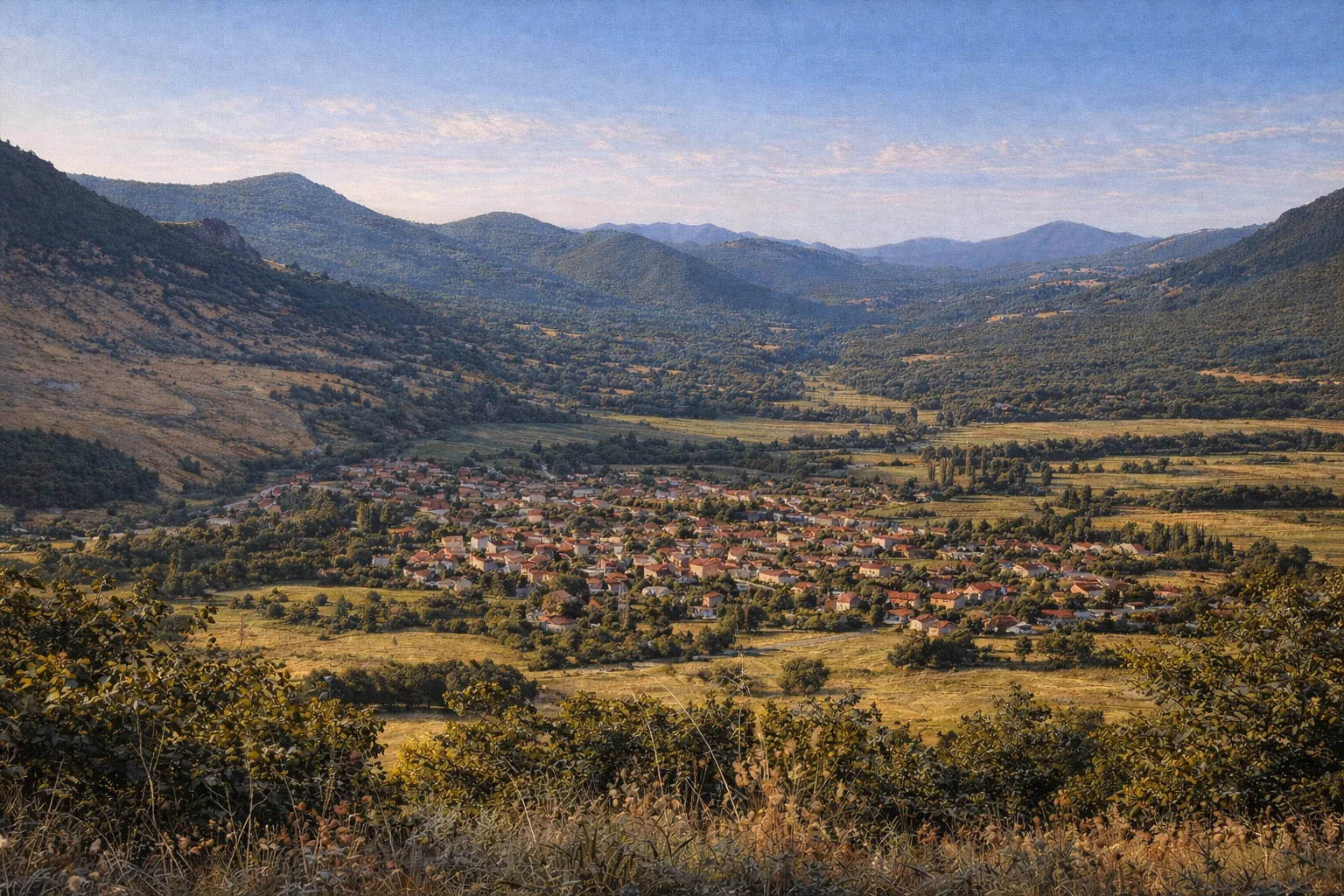 Nostalgic Poems from a Macedonian Village
This poetry collection is a lyrical record of life in the small village of Sklithron (Zeleniche) in Western Macedonia (Greece) , …
Phrasebook · from the Western Macedonian Proverbs
Sayings from the oral tradition
- Lying, Boasting, and Tall Tales Трчи лужи. Trči luži. Runs and lies – tells tall tales. Standard Трчи лужи.
- Work, Thrift, and Daily Life Кој рано рани, две среќи грабе. Koj rano rani, dve sreḱi grabe. The early riser grabs two fortunes. Standard Кој рано рани, две среќи граби.
- Family, Character, Manners Кој да те начека на јадење, добро ти мисле. Koj da te načeka na jadeñe, dobro ti misle. Whoever waits for you to eat wishes you well. Standard Кој да те начека на јадење, добро ти мисли.
- Luck, Fate, and Patience Храбиот среќата го слејде. Hrabiot sreḱata go slejde. Fortune follows the brave. Standard Храбиот среќата го следи.
- Nature & Village Life Кога снегот са роне, не се ора. Koga snegot sa rone, ne se ora. When the snow crumbles, don’t plow. Standard Кога снегот се рони, не се ора.
- Love, Marriage, Humor Срце без срце не се љубе. Srce bez srce ne se ḷube. Heart without heart can’t love. Standard Срце без срце не се љуби.
Word lists
Words and sayings of the village
-
Village Words (Zelnicheni Lafovi)
Courtesy of Peter Ghizas Abre “Hay” – to draw attention Adjamia Inexperienced Aerodromio (Grk) Airport Aftomobile Automobile Aide…
-
Western Macedonian Proverbs
Introduction These sayings are drawn from the oral traditions of Western Macedonia — particularly the Florina (Lerin), Kostur (Ka…
Listening post
Hear the valley
Zurla melody once heard through the hills of Sklithro-Zelenich
Zoran Dzorlev - Goce Dimovski: Makedonsko oro - na zurla
The ridge line is a drawing, not a waveform. The archive holds no speech recordings yet; this melody is its one sound file.
Speech recordings
Recordings of village speech will be listed here when the archive has them. Until then the dialect lives in writing: in the word lists, the proverbs and the poems.
56 poems · Kosmas Yotis
Nostalgic Poems from a Macedonian Village
-
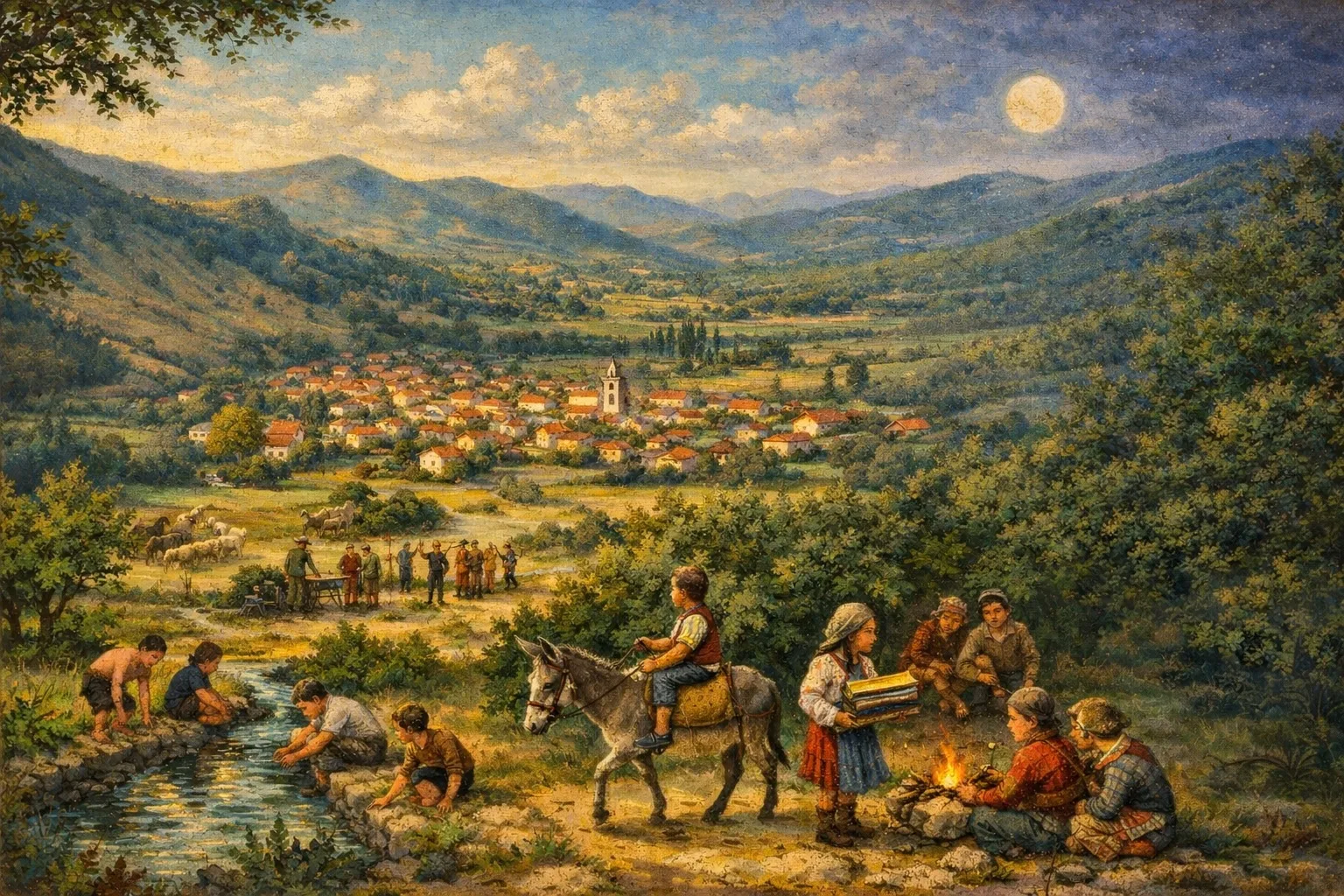
My Village
 1
-
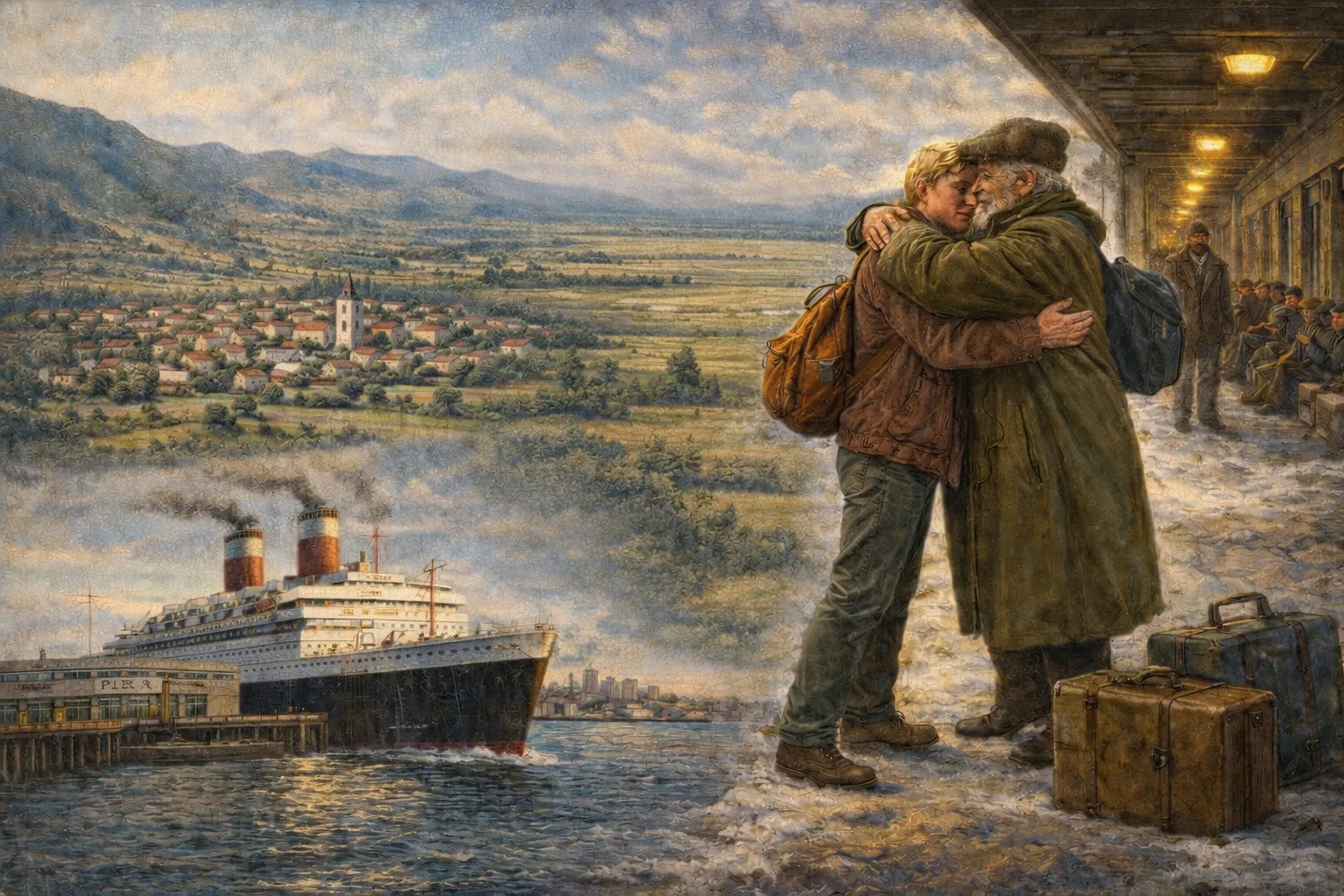
We Arrived in Canada
 2
-
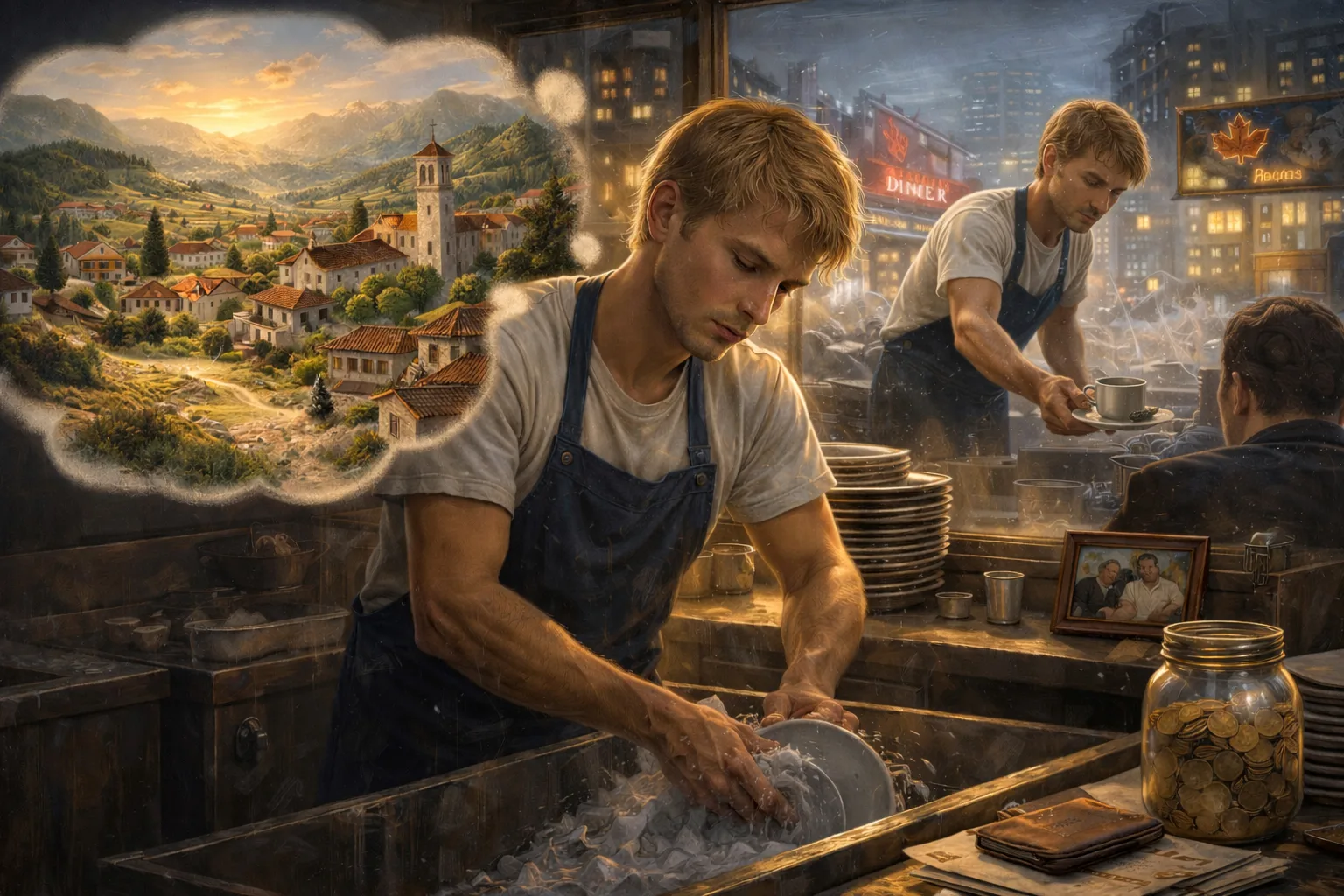
As soon as I collect three thousand
 3
-
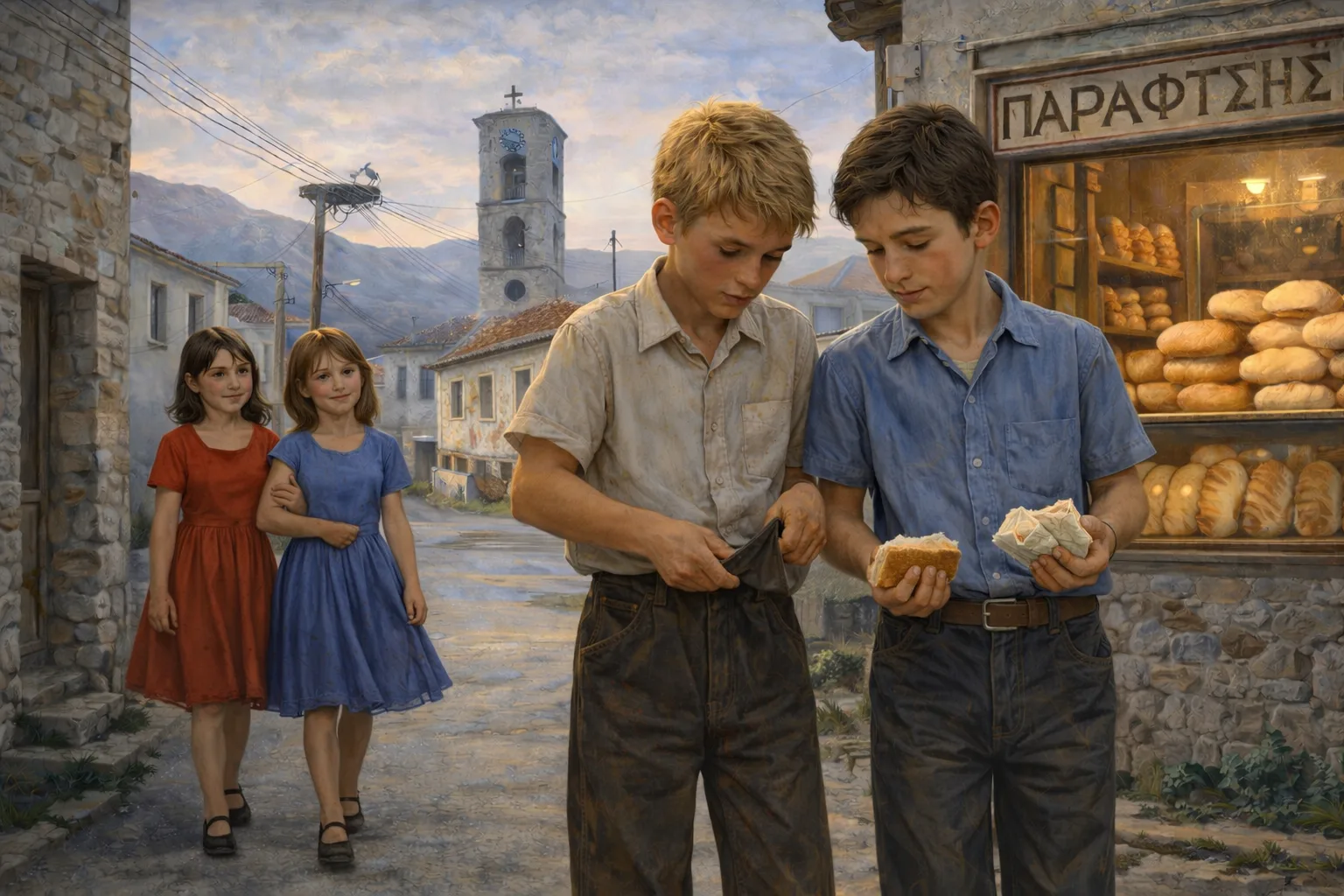
The Walk
 4
-
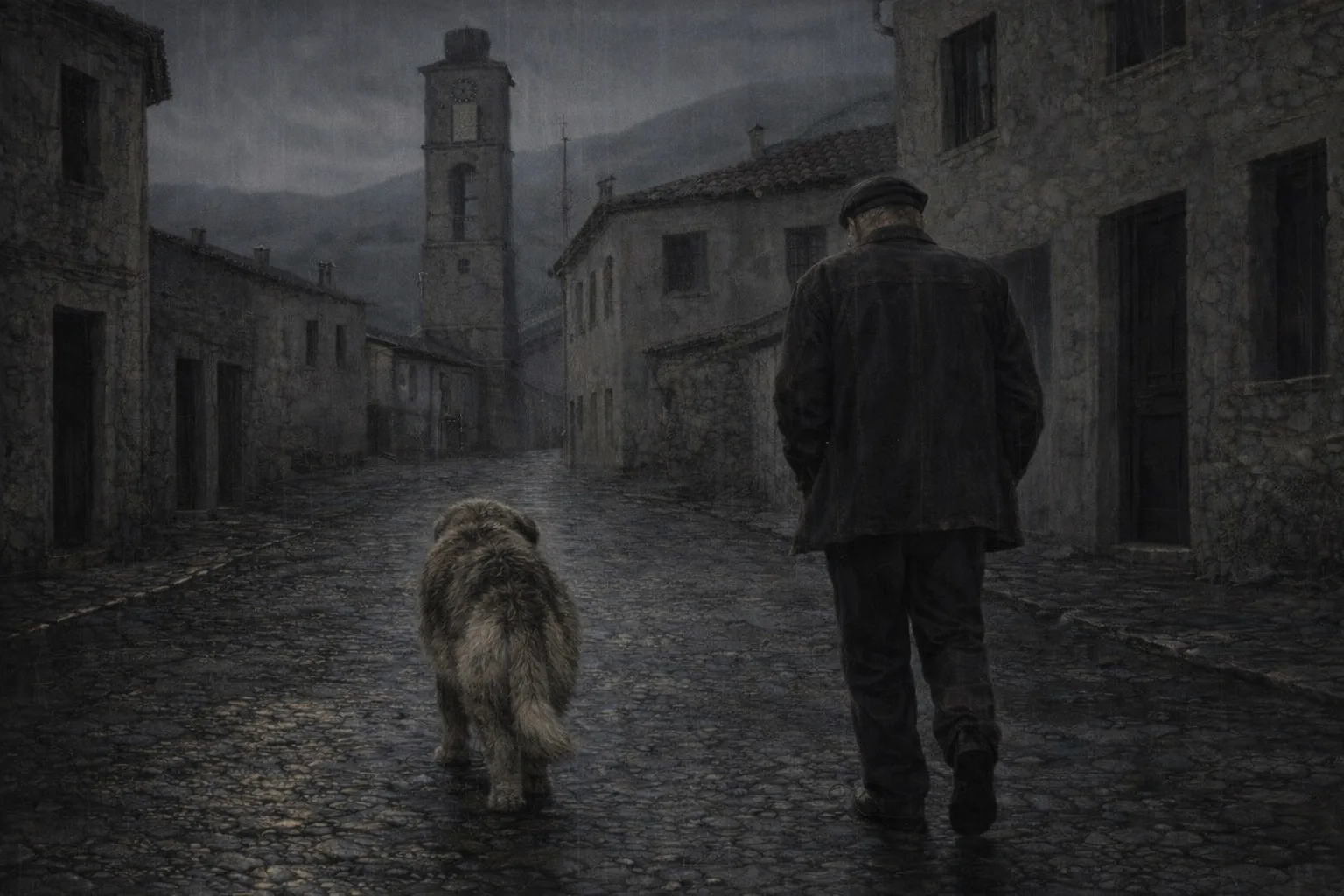
The Man and His Dog
 5
-
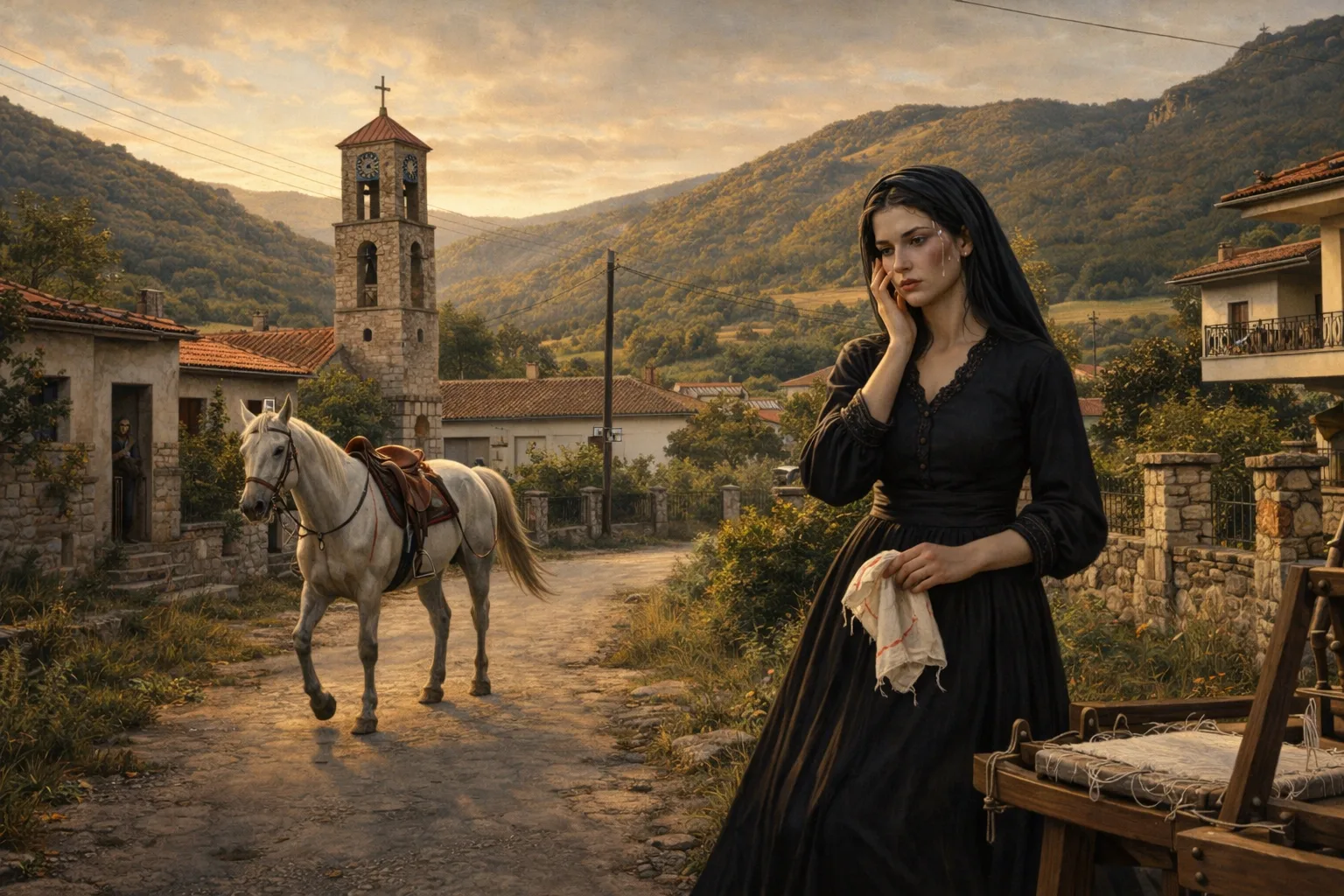
The horse returned without its rider
 6
-
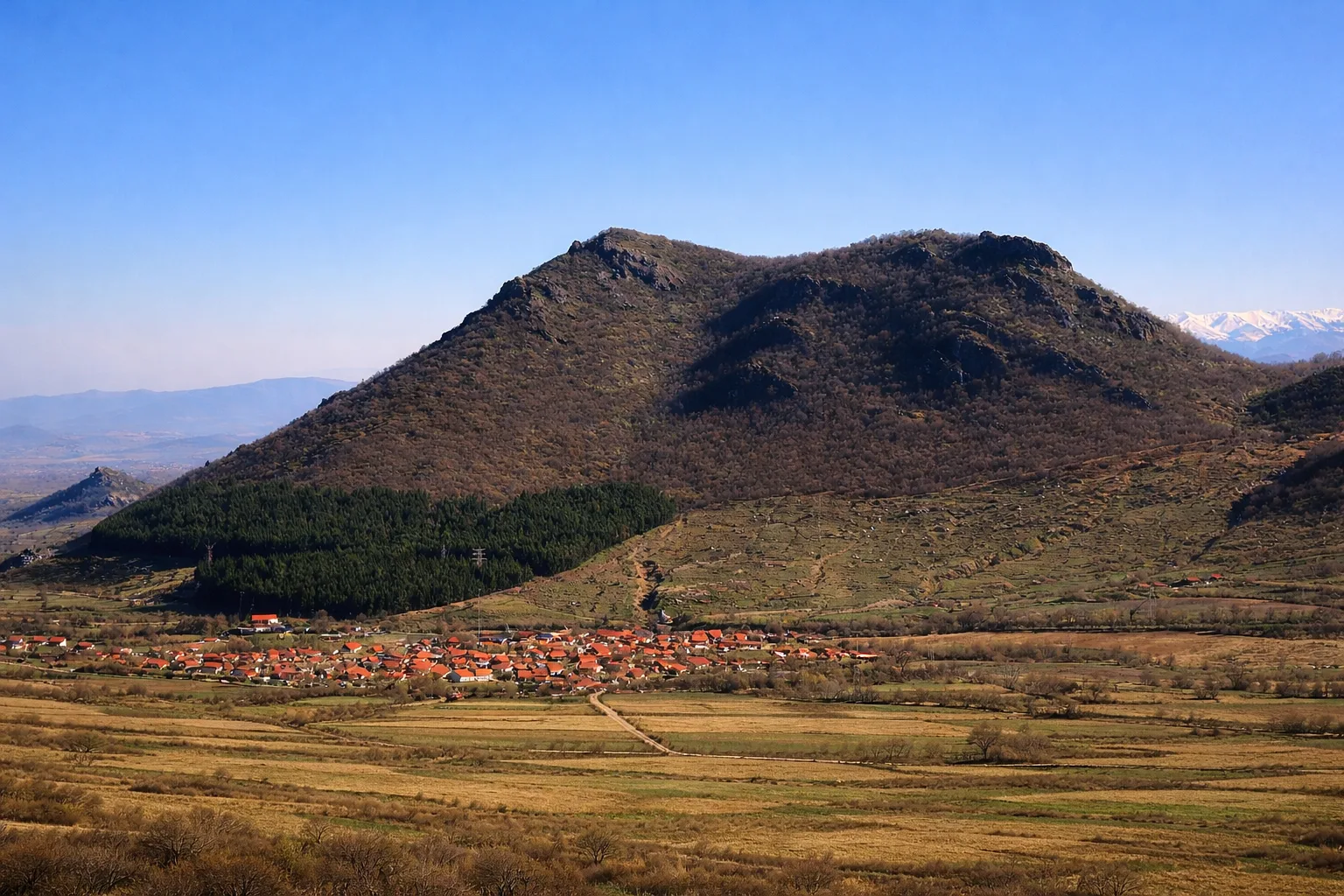
Grandista Came Tumbling Down
 7
-
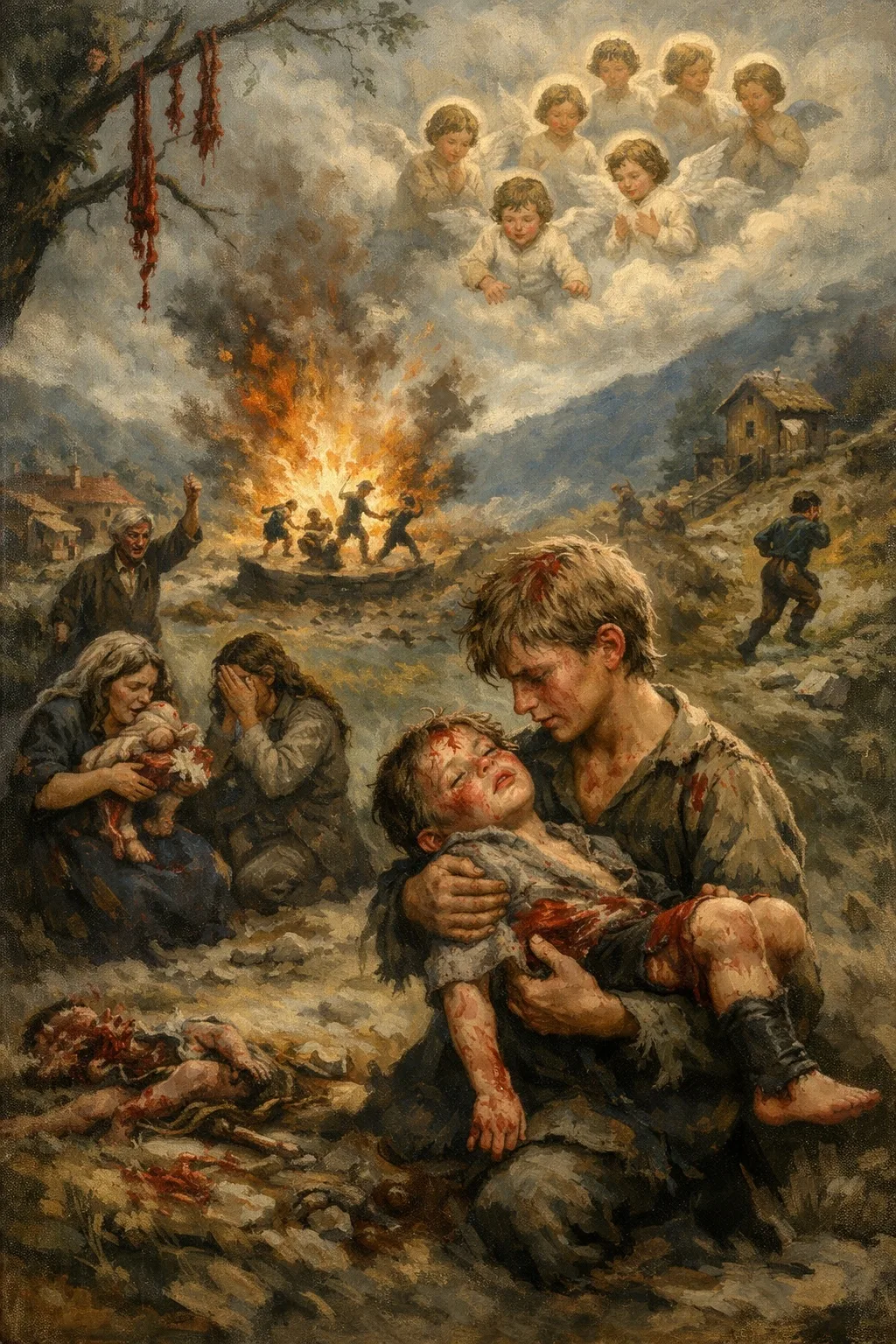
Innocent Victims of War
 8